
守護毛孩健康:破解寵物疫苗的迷思
身為毛孩的飼主,我們都希望牠們健康快樂。
喬治亞宋醫師 · 發布
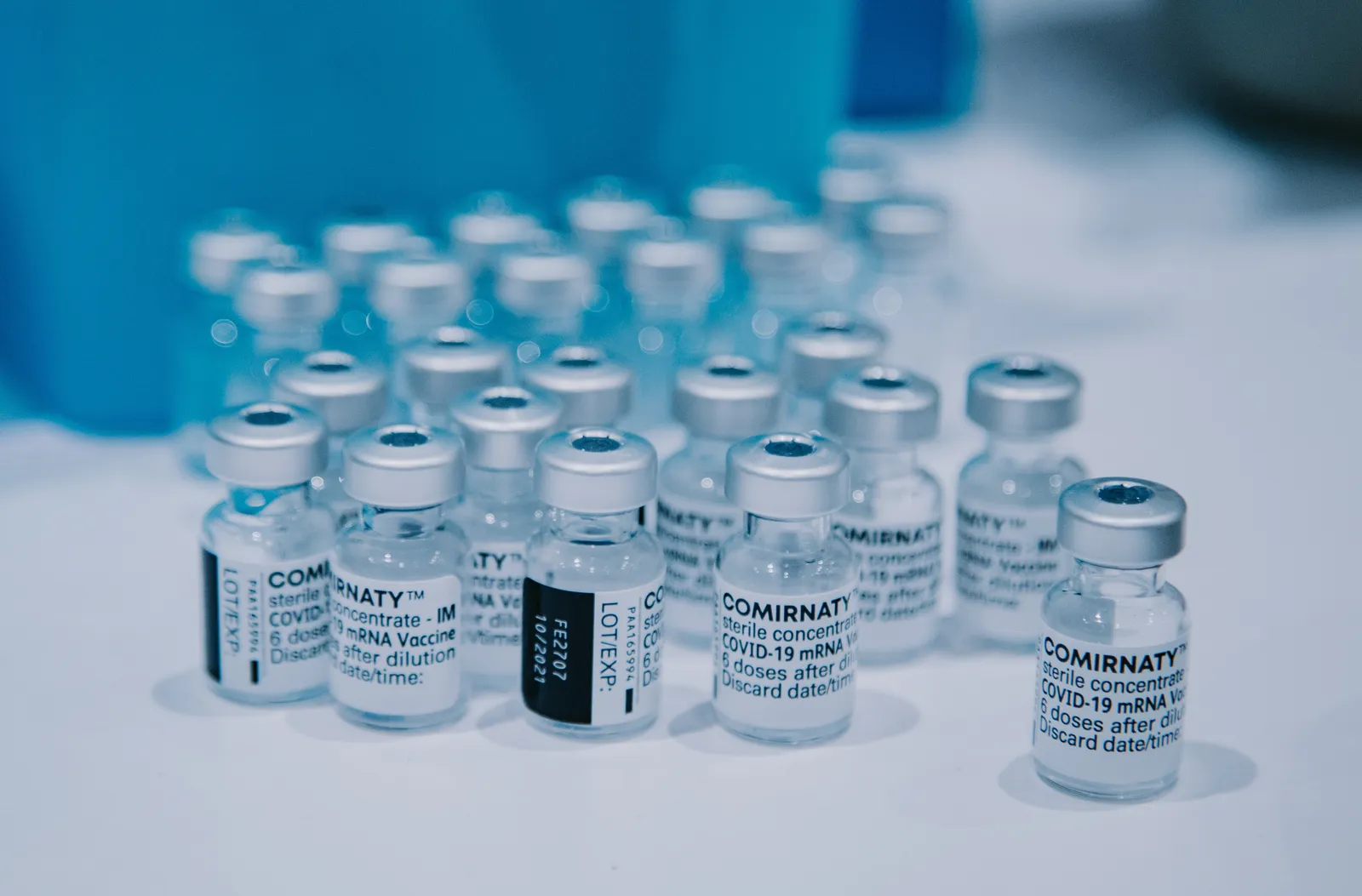
身為毛孩的飼主,我們都希望牠們健康快樂。然而,面對寵物疫苗,許多飼主心中存有疑慮,甚至因此選擇不接種疫苗。獸醫界稱這種現象為「疫苗猶豫」——儘管有疫苗可用,卻仍不情願或拒絕為寵物接種疫苗 。世界衛生組織(WHO)已將疫苗猶豫列為全球十大健康威脅之一 。有越來越多的證據表明,人類的反疫苗運動也影響了寵物飼主,超過一半的狗飼主表示對疫苗存在一定程度的疫苗猶豫 。
這篇文章旨在協助各位飼主破除對寵物疫苗的常見迷思,並了解疫苗對毛孩健康的重要性。
常見迷思一:疫苗不必要或不安全
許多飼主擔心疫苗會對寵物造成不必要的負擔,或是認為疫苗不安全 。然而,事實上,疫苗是保護寵物免受嚴重疾病侵害的關鍵。
-
疫苗並非不必要: 有些飼主認為自己的寵物感染疾病的風險很低,特別是那些足不出戶的室內寵物 。然而,有些傳染病,例如犬小病毒和貓瘟病毒,可以透過環境中的物體(如飼主的鞋子)傳播,即使是室內寵物也有感染風險 。狂犬病在美國雖被普遍認為已根除,但實際上每年仍有大量的狂犬病陽性蝙蝠被檢測到 ,蝙蝠可能在飼主不知情的情況下進入家中,對室內寵物構成威脅 。因此,了解寵物所處地區的疾病流行情況,並根據風險評估進行疫苗接種至關重要 。
-
疫苗是安全的: 雖然疫苗可能引起不良反應(例如過敏性休克、貓的疫苗相關注射部位肉瘤),但這些情況非常罕見,特別是與疫苗可預防疾病的風險相比 。數據顯示,大約每515次犬疫苗接種和每492次貓疫苗接種中,會發生一次足以記錄在醫療紀錄中的不良反應 。大多數情況下,這些反應並非危及生命 。狗在疫苗接種後期間的死亡率約為1/1,000,000至1/100,000,貓約為1/100,000至1/10,000 。
常見迷思二:疫苗接種頻率過高
有些飼主擔心過度接種疫苗會對寵物造成傷害 。
-
疫苗保護期與抗體: 部分疫苗,特別是那些能刺激強效免疫反應的疫苗(如犬小病毒、腺病毒、犬瘟熱病毒;貓瘟病毒),提供的保護期可能遠超過標示的三年 。在接種這些疫苗之前,可以考慮進行抗體效價檢測,以評估免疫力是否持續存在 。然而,對於一些非殺菌性病毒(如貓皰疹病毒、貓卡里西病毒)和細菌性疫苗(如鉤端螺旋體病、萊姆病、支氣管敗血症博德氏菌),延長免疫持續時間的可能性較低 。
-
老年寵物仍需疫苗: 隨著年齡增長,寵物的免疫功能會下降 。因此,不應僅因為年齡而停止為健康的老年寵物接種疫苗 ,事實上,疫苗對老年寵物的重要性可能更高 。
如何與您的獸醫溝通?
獸醫團隊的職責是教育和支持飼主做出最適合毛孩的決定,而不是強迫接種疫苗 。如果您對疫苗有任何疑慮,請務必與您的獸醫進行開放的對話 。
-
主動表達您的擔憂: 獸醫了解飼主對疫苗安全性的擔憂是合理的,並值得重視 。請務必向獸醫說明您拒絕接種疫苗的原因 。
-
提問並尋求解釋: 如果您對某種疾病或疫苗有疑問,請向獸醫提出 。獸醫會解釋疫苗所預防的疾病及其暴露風險 。例如,對於室內貓,每年定期接種貓白血病疫苗通常不建議,因為疾病傳播需要直接的動物接觸 。
-
討論疫苗反應: 獸醫會清楚地告知您接種疫苗後可能出現的正常反應和需要注意的異常情況 。例如,接種疫苗後感到疲倦是正常的,但如果出現生病、疼痛、蕁麻疹、嘴唇腫脹或嘔吐等症狀則不正常 。
-
尊重您的決定: 獸醫團隊應該尊重您的最終決定 。即使您的擔憂沒有科學依據,不尊重您的觀點也可能導致飼主不滿、依從性降低,並對寵物造成不良後果 。
總結
疫苗是保護您的毛孩免受潛在致命疾病侵害的重要工具。如果您對寵物疫苗有任何疑問或擔憂,請務必與您的獸醫進行開放且尊重的溝通。您的獸醫將會提供專業的知識和支持,協助您為毛孩做出最佳的健康決策。
參考文獻
-
McArdle, T. (2025). Responding to Vaccine Hesitancy in Veterinary Medicine: Dispelling Misperceptions of Vaccines in Veterinary Medicine. Clinician's Brief.
-
Kogan, L. R., Hellyer, P. W., & Rishniw, M. (2021). American and Canadian veterinarians' perceptions on dog and cat core vaccination rates and the impact of the human medicine anti-vaxx movement on veterinary medicine. Can Vet J, 62(3), 247-252.
-
Motta, M., Motta, G., & Stecula, D. (2023). Sick as a dog? The prevalence, politicization, and health policy consequences of canine vaccine hesitancy (CVH). Vaccine, 41(41), 5946-5950.
-
World Health Organization. (2019). Ten threats to global health in 2019.
-
People's Dispensary for Sick Animals. (2023). PAW PDSA animal wellbeing report 2023.
-
Sykes, J. E. (2014). Feline panleukopenia virus infection and other viral enteritides. In Canine and Feline Infectious Diseases (pp. 187-194). Elsevier.
-
Ma, X., Bonaparte, S., Corbett, P., et al. (2023). Rabies surveillance in the United States during 2021. J Am Vet Med Assoc, 261(7), 1045-1053.
-
Ma, X., Bonaparte, S., Toro, M., et al. (2022). Rabies surveillance in the United States during 2020. J Am Vet Med Assoc, 260(10), 1157-1165.
-
Ma, X., Monroe, B. P., Wallace, R. M., et al. (2021). Rabies surveillance in the United States during 2019. J Am Vet Med Assoc, 258(11), 1205-1220.
-
Ma, X., Monroe, B. P., Cleaton, J. M., et al. (2020). Public veterinary medicine: public health: rabies surveillance in the United States during 2018. J Am Vet Med Assoc, 256(2), 195-208.
-
Ma, X., Monroe, B. P., Cleaton, J. M., et al. (2018). Rabies surveillance in the United States during 2017. J Am Vet Med Assoc, 253(12), 1555-1568.
-
Dato, V. M., Campagnolo, E. R., Long, J., & Rupprecht, C. E. (2016). A systematic review of human bat rabies virus variant cases: evaluating unprotected physical contact with claws and teeth in support of accurate risk assessments. PLoS One, 11(7), e0159443.
-
Schultz, R. D., Thiel, B., Mukhtar, E., Sharp, P., & Larson, L. J. (2010). Age and long-term protective immunity in dogs and cats. J Comp Pathol, 142 Suppl 1, S102-S108.
-
Scott, F. W., & Geissinger, C. M. (1999). Long-term immunity in cats vaccinated with an inactivated trivalent vaccine. Am J Vet Res, 60(5), 652-658.
-
Jas, D., Frances-Duvert, V., Vernes, D., Guigal, P. M., & Poulet, H. (2015). Three-year duration of immunity for feline herpesvirus and calicivirus evaluated in a controlled vaccination-challenge laboratory trial. Vet Microbiol, 177(1-2), 123-131.
-
Weyand, C. M., & Goronzy, J. J. (2016). Aging of the immune system. Mechanisms and therapeutic targets. Ann Am Thorac Soc, 13 Suppl 5(Suppl 5), S422-S428.
-
Pereira, M., Valério-Bolas, A., Saraiva-Marques, C., Alexandre-Pires, G., Pereira da Fonseca, I., & Santos-Gomes, G. (2019). Development of dog immune system: from in uterus to elderly. Vet Sci, 6(4), 83.
-
Dall'Ara, P., Lauzi, S., Turin, L., Castaldelli, G., Servida, F., & Filipe, J. (2023). Effect of aging on the immune response to core vaccines in senior and geriatric dogs. Vet Sci, 10(7), 412.
-
Moore, G. E., Morrison, J., Saito, E. K., Spofford, N., & Yang, M. (2023). Breed, smaller weight, and multiple injections are associated with increased adverse event reports within three days following canine vaccine administration. J Am Vet Med Assoc, 261(11), 1653-1659.
-
Moore, G. E., DeSantis-Kerr, A. C., Guptill, L. F., Glickman, N. W., Lewis, H. B., & Glickman, L. T. (2007). Adverse events after vaccine administration in cats: 2,560 cases (2002-2005). J Am Vet Med Assoc, 231(1), 94-100.
-
Valli, J. L. (2015). Suspected adverse reactions to vaccination in Canadian dogs and cats. Can Vet J, 56(10), 1090-1092.
-
Yoshida, M., Mizukami, K., Hisasue, M., et al. (2021). Anaphylaxis after rabies vaccination for dogs in Japan. J Vet Med Sci, 83(8), 1202-1205.
-
Moore, G. E., Guptill, L. F., Ward, M. P., et al. (2005). Adverse events diagnosed within three days of vaccine administration in dogs. J Am Vet Med Assoc, 227(7), 1102-1108.
-
Yoshida, M., Mizukami, K., Hisasue, M., et al. (2022). Anaphylaxis after vaccination for cats in Japan. J Vet Med Sci, 84(1), 149-152.
-
CDC. (2024). Talking with parents about vaccines.
-
Opel, D. J., Mangione-Smith, R., Robinson, J. D., et al. (2015). The influence of provider communication behaviors on parental vaccine acceptance and visit experience. Am J Public Health, 105(10), 1998-2004.
-
Make, J., & Lauver, A. (2022). Increasing trust and vaccine uptake: offering invitational rhetoric as an alternative to persuasion in pediatric visits with vaccine-hesitant parents (VHPs). Vaccine X, 10, 100129.
注射疫苗對於疾病預防有不可或缺的重要性